

Nonprofits do vital work, and behind every well-run one is careful financial record keeping. Nonprofit bookkeeping shares the fundamentals of any business, but it carries extra responsibilities, mostly around showing exactly how money is used, that make getting it right especially important.
Why bookkeeping matters so much for nonprofits
A nonprofit answers to its board, its donors, its grantors, and the public. Clean books are what let it do that with confidence:
- Track income and expenses clearly, by program and by fund
- Monitor financial health and make sound decisions
- Produce accurate statements for the board and for donors
- Manage grant and restricted funding responsibly
- Stay organized and ready for reporting and filing requirements
Fund accounting: the big difference
A regular business tracks one bottom line: profit. A nonprofit has to track something more nuanced, which money can be used for what. That is called fund accounting, and it usually means separating money into restricted funds (given for a specific purpose) and unrestricted funds (available for general use). Every dollar has to be accounted for against its intended use.
A restricted grant, in practice
Say a foundation gives your nonprofit a $20,000 grant specifically for a youth reading program. That money is restricted: it cannot go toward rent or salaries outside the program. Good nonprofit bookkeeping tracks that $20,000 separately, records only program expenses against it, and can show the foundation exactly how their money was spent. Mixing it into general funds is the kind of mistake that costs a nonprofit future grants.
Reports a nonprofit actually uses
Nonprofits use their own versions of the standard financial statements. Instead of a profit and loss, a nonprofit produces a statement of activities; instead of a balance sheet, a statement of financial position. Both come straight from clean, well-categorized books, and both are what your board and funders expect to see.
Form 990 and staying compliant
Most nonprofits file a Form 990 each year to keep their tax-exempt status. Coastal keeps the clean, organized books that make Form 990 preparation straightforward, and your CPA or tax preparer handles the actual filing and returns. Well-kept records also make any grant review or audit far less stressful. Coastal handles the bookkeeping; your CPA handles the filings.
Frequently asked questions
What is the difference between nonprofit and regular bookkeeping?
The fundamentals are the same, but nonprofits add fund accounting, tracking restricted versus unrestricted money, and use nonprofit-specific statements and reporting. The goal shifts from measuring profit to showing accountability for how funds are used.
Do small nonprofits really need bookkeeping?
Yes. Even a small nonprofit has to account for its funds accurately, report to its board, and meet filing requirements to protect its tax-exempt status. Clean books make all of that manageable rather than overwhelming.
Does Coastal prepare our Form 990?
Coastal provides the bookkeeping and Form 990 support, the clean, organized records your return is built from. The 990 itself is prepared and filed by your CPA or tax preparer.
Can nonprofit bookkeeping be done virtually?
Absolutely. Virtual bookkeeping works just as well for a nonprofit as for any business, with access-controlled cloud software and confidential handling of your financial information.
Where Coastal fits in
Coastal Bookkeeping keeps clean, accurate books for nonprofits, tracks your funds the way your board and grantors expect, and keeps you ready for reporting season, so you can focus on your mission. Reach out for a free quote.
Written by
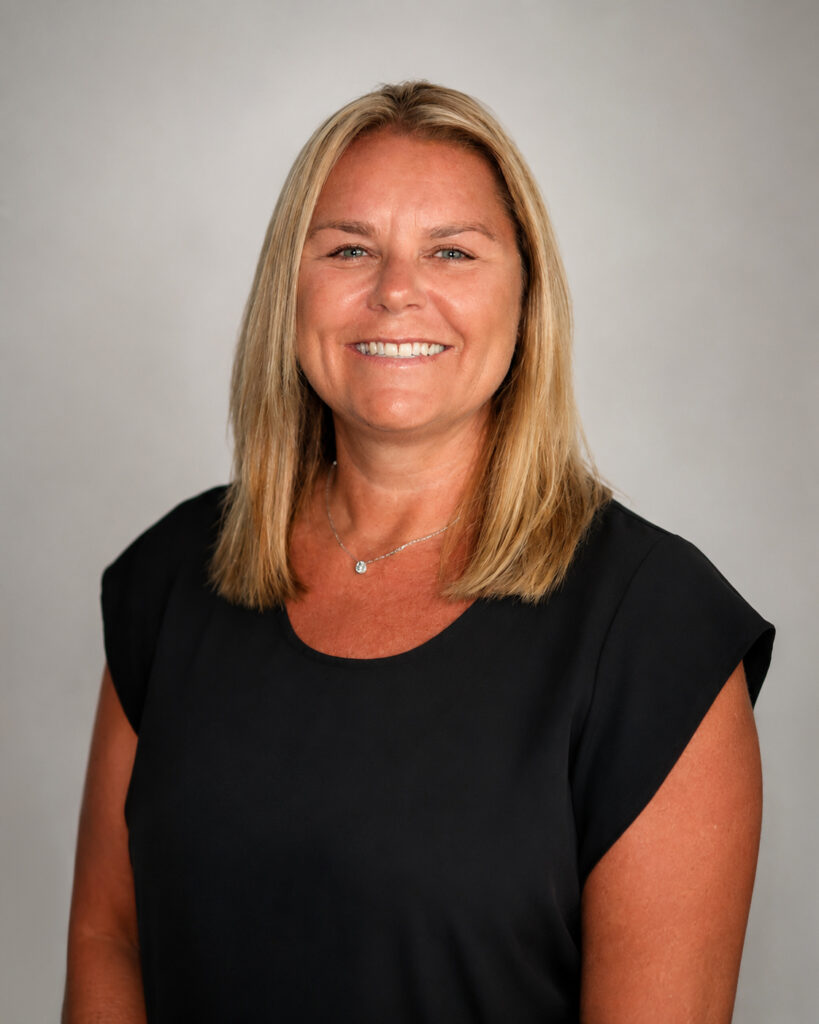
Selena Sagalow
QuickBooks Online ProAdvisor · ADP Certified · Xero Certified · 10+ years
Selena runs Coastal Bookkeeping, a U.S.-based virtual bookkeeping company serving small businesses and nonprofits. When you hire Coastal, you work directly with her.
Related reading: The Benefits of a Virtual Bookkeeper (vs. Hiring In-House).