

Bookkeeping is the quiet backbone of a healthy business, and one of the most common myths is that it is only for accountants or big corporations. The truth is the opposite: bookkeeping matters for every industry, from a solo service provider to a growing company with employees and inventory. What changes from one industry to the next is not whether you need good books, but which parts of them carry the most weight.
The fundamentals are universal
No matter what you do, the core benefits of good books are the same:
- A clear, accurate picture of your finances
- Easier, better-informed decisions
- Healthy cash flow and fewer surprises
- Clean records ready for tax time and financing
Every business, in every industry, runs better on accurate books. That part never changes.
What changes from industry to industry
The details are where industries differ. Different businesses lean on different parts of the books:
- Service businesses focus on invoicing, receivables, and tracking profitability by client or project.
- Retail and product businesses add inventory tracking and cost of goods sold (COGS), the direct cost of the products they sell.
- Contractors and trades often need job costing, so they can see which jobs actually made money after materials and labor.
- Restaurants watch food and labor cost percentages closely and reconcile high volumes of daily sales.
- E-commerce juggles payment processors, sales tax across states, and inventory.
- Nonprofits track restricted funds and grants and report to a board. More on nonprofit bookkeeping.
Cost of goods sold, in one example
A retail shop buys a product for $40 and sells it for $100. That $40 is cost of goods sold, and it has to be tracked separately from regular expenses like rent. Doing so shows the shop its true gross profit ($60 per unit) and, across the year, whether its pricing and buying actually work. A service business, by contrast, may have little or no COGS at all. Same fundamentals, different emphasis.
Why a good bookkeeper adapts
A skilled bookkeeper takes the same solid fundamentals and shapes them to fit how your particular business runs, the right chart of accounts, the right things tracked, the reports that actually help you make decisions. The principles stay constant; the setup is tailored.
Frequently asked questions
Does my industry really need bookkeeping?
Yes. Every business benefits from accurate records, and the fundamentals apply across the board. The specifics adapt to your industry, but the need does not.
Is bookkeeping only for big companies?
Not at all. Small businesses arguably benefit the most, since clean books protect thin margins and free up an owner’s limited time. See the benefits of a bookkeeper.
What is cost of goods sold?
COGS is the direct cost of the products or materials you sell, tracked separately from general expenses so you can see your true gross profit. It matters most for retail, product, and contracting businesses.
Can one bookkeeper handle different types of businesses?
A skilled bookkeeper applies the same core principles across industries and tailors the details to each. Coastal works with small businesses and nonprofits of many kinds.
Where Coastal fits in
Coastal Bookkeeping keeps clean, accurate books for small businesses and nonprofits across industries, adapting the fundamentals to fit how your business actually works. Reach out for a free quote.
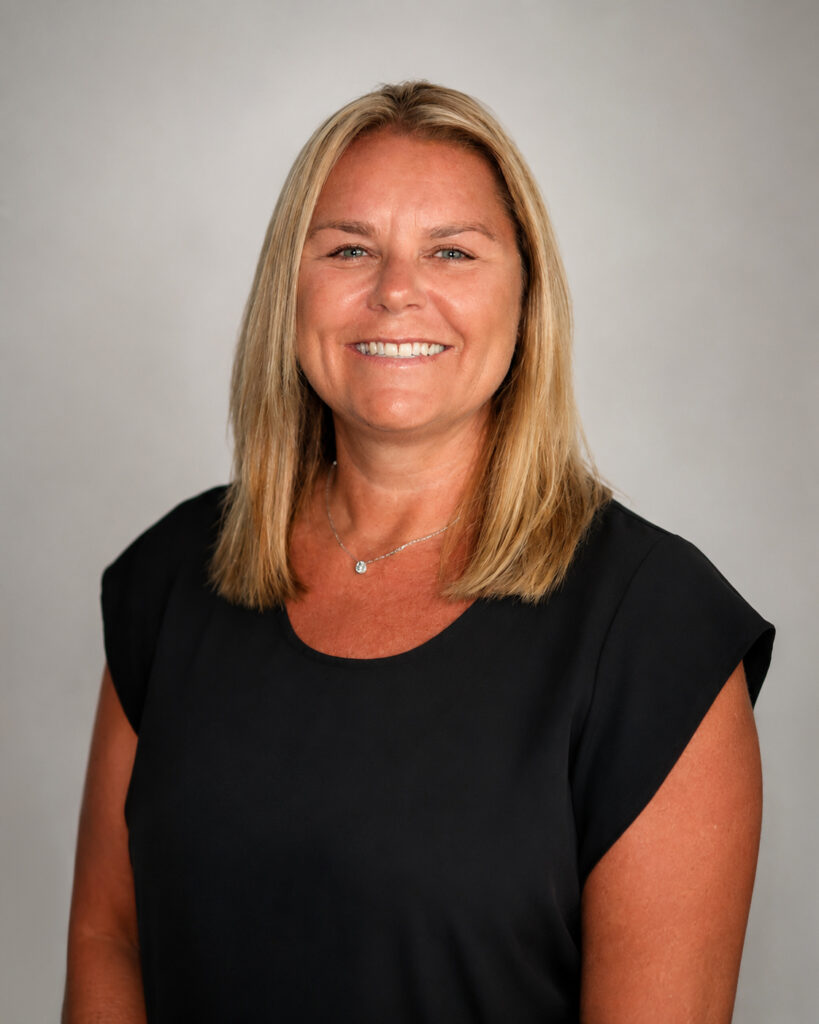
Written by
Selena Sagalow
QuickBooks Online ProAdvisor · ADP Certified · Xero Certified · 10+ years
Selena runs Coastal Bookkeeping, a U.S.-based virtual bookkeeping company serving small businesses and nonprofits. When you hire Coastal, you work directly with her.