


Bookkeepers and accountants both help keep a business financially healthy, and they’re easy to mix up. The two roles overlap, but they are not the same job, and knowing the difference helps you bring in the right kind of help at the right time.
Here is a plain-language breakdown of what a bookkeeper does, what an accountant does, where a CPA fits in, and how to decide what your small business actually needs.
What does a bookkeeper do?
A bookkeeper keeps the day-to-day financial records of your business. This is the detailed, transactional work that everything else is built on. When it’s done well, your numbers stay accurate, current, and ready the moment you or your accountant need them.
A bookkeeper typically handles:
- Recording daily income and expenses
- Categorizing transactions and posting debits and credits
- Reconciling bank and credit card accounts
- Creating invoices and tracking what customers owe you (accounts receivable)
- Paying bills and tracking what you owe (accounts payable)
- Running payroll
- Maintaining the general ledger and producing monthly financial statements
Bookkeeping does not require a specific license or degree, which is one reason it’s a practical, ongoing service for most small businesses. What matters is accuracy, consistency, and knowing the software inside and out. This steady, monthly work is the heart of what Coastal does.
What does an accountant do?
An accountant takes the records a bookkeeper produces and looks at the bigger picture. Instead of recording each transaction, an accountant analyzes and interprets the numbers: what the financial statements mean, where the business is trending, and how to plan ahead.
An accountant often handles:
- Reviewing and interpreting financial statements
- Analyzing profitability, cash flow, and trends
- Higher-level financial planning and guidance
- Preparing and filing tax returns
- Advising on tax and compliance questions
An accountant depends on clean books to do this well. Without accurate records from a bookkeeper, even a skilled accountant is working from a shaky foundation.
Where does a CPA fit in?
A CPA, or Certified Public Accountant, is an accountant who has met a higher, licensed standard. To become a CPA, a person has to pass the Uniform CPA Examination and meet their state’s education, experience, and ethics requirements. In Florida, the CPA title is protected by law, so only licensed professionals may use it.
Because of that license, a CPA can do certain things other professionals cannot:
- Perform audits and other attestation services
- Issue formal opinions on financial statements
- Represent you before the IRS, a right shared only by CPAs, enrolled agents, and attorneys
For most small businesses, a CPA is who you turn to at tax time, or when you need audited statements, a formal opinion, or representation.
Which one does your business need?
For most small businesses, the honest answer is both, at different times and in different amounts.
Day to day, what keeps a business organized is steady bookkeeping: transactions recorded, accounts reconciled, and statements ready every month. That’s the ongoing work. If you’ve already fallen behind, cleaning up and catching up your books is usually the first step. Then, usually once a year or for a specific need, a CPA steps in for taxes, audits, or high-level planning, working from the clean books your bookkeeper has kept all along.
| Bookkeeper | Accountant | CPA | |
|---|---|---|---|
| Main focus | Your daily records | Analysis and advice | Licensed, specialized work |
| Typical work | Transactions, reconciliations, payroll, monthly statements | Interpreting statements, tax prep, planning | Audits, attestation, IRS representation |
| License required | Not required | Not required | Yes, a state license |
| When you need them | All year, ongoing | Periodically | Tax time, audits, formal opinions |
A good rule of thumb: a bookkeeper keeps your finances accurate and current all year, and a CPA handles the specialized, licensed work when it comes up. And when your books are clean, your CPA spends less time sorting them out, which can lower the bill for their higher-rate hours. The two roles are not competitors. They work best together.
Frequently asked questions
Do I really need both a bookkeeper and an accountant?
Most small businesses benefit from both, but not in equal amounts. A bookkeeper keeps your records accurate and current all year, while a CPA or accountant steps in periodically for taxes, audits, or planning. If your budget is tight, steady bookkeeping is usually the foundation to put in place first, because it makes everything the accountant does faster and less expensive.
Can a bookkeeper file my taxes?
No. Preparing and filing income tax returns is the work of a CPA or a qualified tax preparer, not a bookkeeper. What a bookkeeper does is keep your books clean and organized all year, so that when tax time comes, your preparer has accurate numbers to work from. Coastal handles the bookkeeping; your CPA handles the taxes.
Is a bookkeeper cheaper than a CPA?
Usually, yes, because the work is different. A bookkeeper handles ongoing, day-to-day record keeping, which does not require a state license, so it tends to cost less than a CPA’s specialized, licensed time. Many owners keep a bookkeeper year round and bring in a CPA only when they need one, which keeps overall costs down.
Where Coastal fits in
Coastal Bookkeeping keeps your day-to-day books clean, accurate, and current, so you always know where your business stands and your CPA has exactly what they need at tax time. Coastal handles the bookkeeping. Your CPA handles the taxes.
If you’re behind, unsure, or just tired of wrestling with the numbers, reach out for a free quote and we’ll take it from there.
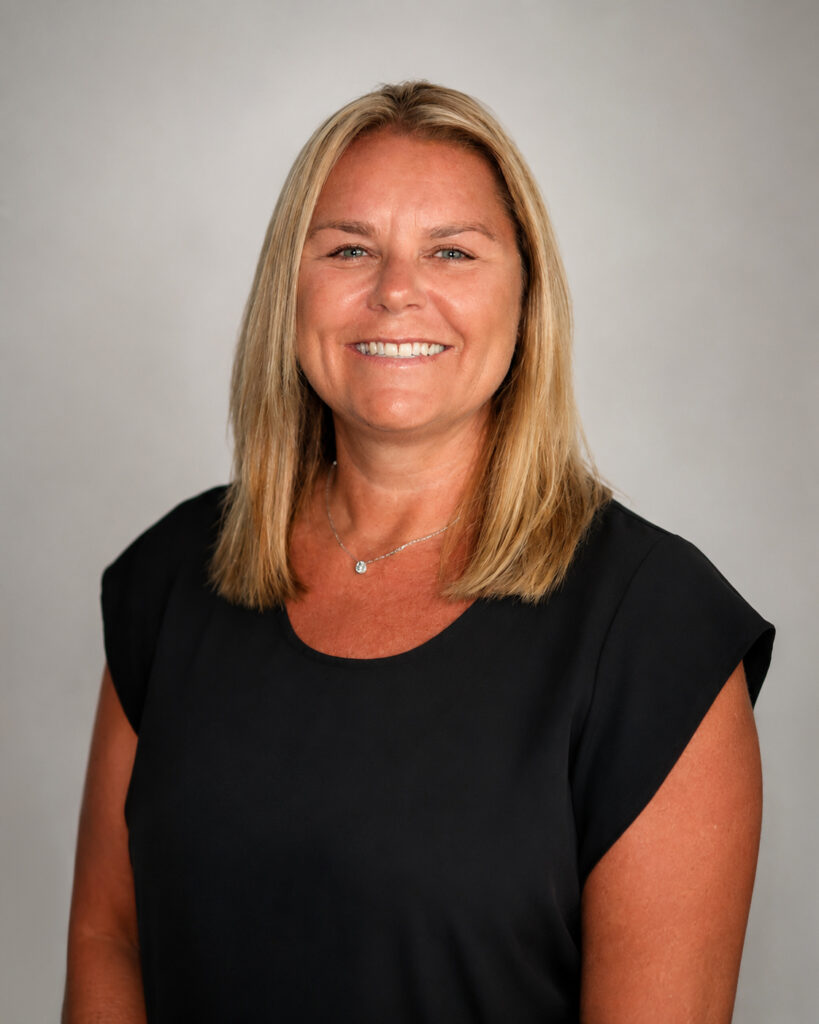
Written by
Selena Sagalow
QuickBooks Online ProAdvisor · ADP Certified · Xero Certified · 10+ years
Selena runs Coastal Bookkeeping, a U.S.-based virtual bookkeeping company serving small businesses and nonprofits. When you hire Coastal, you work directly with her.
Related reading: What Does a Bookkeeper Actually Do? The Role Explained.