Balance Sheet 101: What It Is and How to Read One
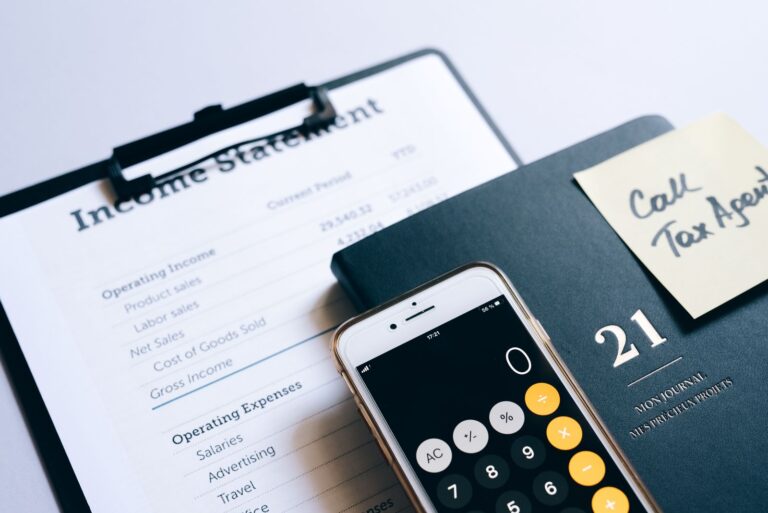
A balance sheet is a snapshot of what your business owns and owes. Here is what the three parts mean, a simple example, and how to actually read one.

A balance sheet is a snapshot of what your business owns and owes. Here is what the three parts mean, a simple example, and how to actually read one.

Depreciation spreads the cost of an asset over the years you use it. Here is what it means, how straight-line depreciation works, and a clear example.

The general ledger is the master record of every transaction in your business. Here is what it tracks, how debits and credits work, and why it matters.

Owner’s equity is what is left of your business after debts, calculated as assets minus liabilities. Here is what it means, a simple example, and why it matters.

From invoicing to full cloud platforms like QuickBooks and Xero, here are the main types of accounting software and how to choose the right one for your business.

Bookkeeping does not have to eat your week. Here are practical ways to streamline your process, stay consistent, and keep your books clean without the stress.
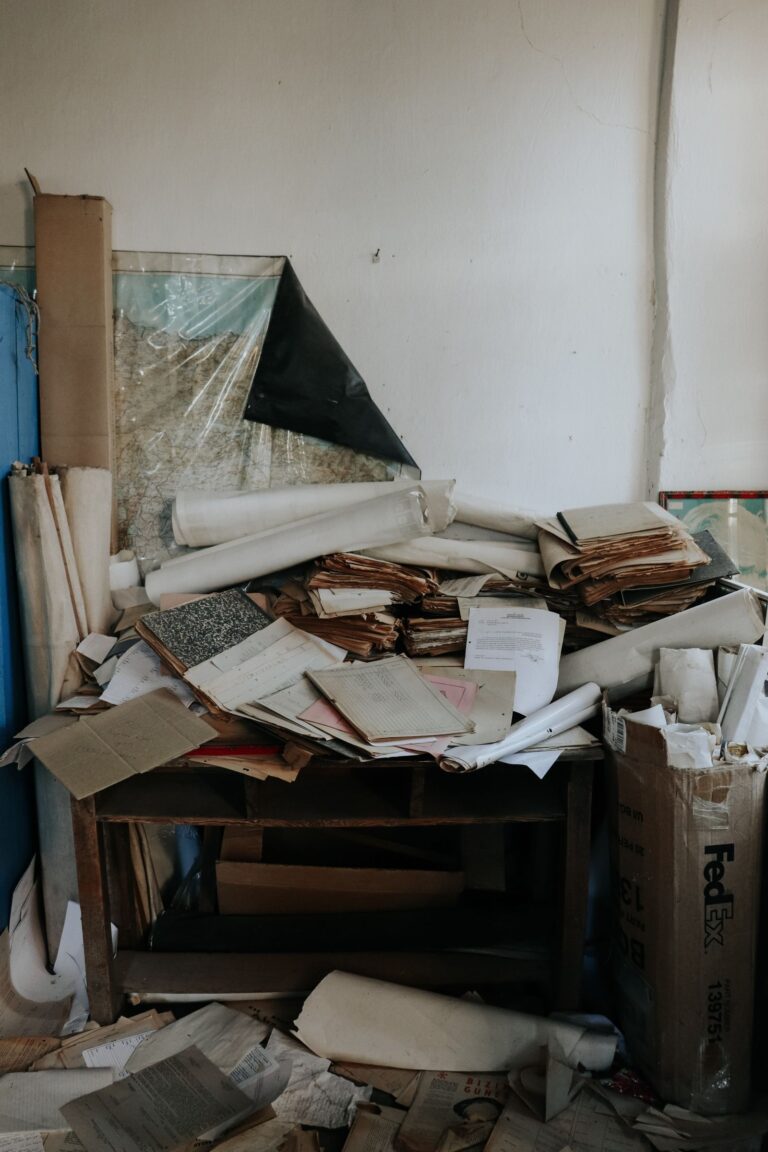
Letting the books slide has real costs, from cash-flow surprises to tax-time penalties. Here is what neglecting your bookkeeping can do to a small business, and how to recover.

A bookkeeper keeps your daily financial records accurate and current. Here is what a bookkeeper actually does, day to day and month to month, in plain terms.

Starting a business and wondering when to hand off the books? Here is how new owners can tell they are ready to outsource bookkeeping, with a simple readiness checklist.

Payroll is time-consuming and easy to get wrong. Here is what payroll really involves, how outsourcing saves time and avoids penalties, and what to look for.

Searching for virtual bookkeeping near me? Here is what location really means for remote bookkeeping, when local still helps, and how to vet a virtual bookkeeper.

Bookkeeping is not just for certain businesses, it is the foundation for all of them. Here is why the fundamentals apply to every industry, with the wrinkles that differ.