
More businesses hire virtual bookkeepers every year, and for good reason. But you are handing someone access to your most sensitive financial information, so choosing the right person matters as much as choosing to hire at all. The good news is that a short list of pointed questions will tell you almost everything you need to know.
Here are the questions worth asking, and what a strong answer sounds like.
1. What services do I actually need?
Start with yourself, before you talk to anyone. Do you need monthly bookkeeping only, or also payroll, sales tax, and accounts payable and receivable? Year-round support, or a one-time clean-up to get current? Writing down exactly what you need turns a vague search into a clear checklist you can measure every candidate against.
2. What are your certifications and experience?
Ask which software they are certified in and how long they have been doing this. Credentials such as QuickBooks Online ProAdvisor or Xero certification show they know the tools cold, and years of hands-on experience show they have seen businesses like yours and handled the messes that come up. Experience is what turns a data-entry clerk into a bookkeeper you can rely on.
3. Who exactly will be doing my books?
At some firms you are onboarded by one person and handed off to a rotating pool you never meet. Ask whether you will work with a single, consistent person who learns your business, or a changing team. One accountable point of contact usually means fewer errors and far less re-explaining.
4. What software do you work in?
You want a bookkeeper fluent in the platform you already use, or one who can recommend and set up the right one. If you are not sure what you should be using, that is a fair question to ask them too, and a good bookkeeper will have a clear, jargon-free opinion. (Our guide to accounting software covers the main options.)
5. How do you keep my financial data confidential?
This is non-negotiable. A trustworthy remote bookkeeper works in access-controlled cloud software, shares files through protected channels rather than loose e-mail attachments, and treats everything about your finances as strictly confidential. If the answer is vague or hand-wavy, keep looking.
6. Can you provide references?
A bookkeeper who does good work has clients who will say so. Ask for a reference or two, or look for reviews and testimonials. Hearing from a business like yours is one of the best signals you can get.
7. How and how often will we communicate?
Remote should never mean out of reach. Ask how you will stay in touch, how quickly they respond, and how often you will receive reports. Clear, predictable communication is what makes a remote relationship feel just as close as an in-house one.
8. How do you price your services?
Look for transparency. A bookkeeper who prices each engagement to your business, and can give you a flat rate for clearly defined work, lets you know the cost before you commit, with no surprise invoices later. Pricing that is a mystery up front tends to stay that way.
A few red flags to watch for
- Cannot clearly explain how they protect your data
- Dodges questions about certifications or experience
- Will not put scope or pricing in writing
- Slow or vague in early communication (it rarely improves later)
Frequently asked questions
How do I know a remote bookkeeper is trustworthy?
Look for real certifications, verifiable experience, clear security practices, references you can check, transparent pricing, and prompt communication. A professional answers all of these comfortably and in plain language.
Should I hire a bookkeeper or an accountant?
They do different jobs, and many businesses use both. A bookkeeper keeps your records accurate all year; a CPA handles taxes and specialized work. See bookkeeper vs. accountant vs. CPA to sort out which you need.
Is a remote bookkeeper safe for a small business?
Yes. Done right, it brings professional bookkeeping within reach without the overhead of an in-house hire, with your data kept just as confidential. See the benefits of a virtual bookkeeper.
How much should I expect to pay?
It depends on your size and the services you need. What matters is that the price is transparent and tied to a clear scope. Coastal prices each engagement to your business and offers flat-rate clean-up quotes so you always know the cost first.
Where Coastal fits in
Coastal answers every one of these with ease: a QuickBooks Online ProAdvisor who is also ADP and Xero certified, with more than ten years of experience, careful and confidential handling of your data, transparent flat-rate and custom pricing, and one accountable person, Selena, on your account from day one. See our services or reach out for a free quote.
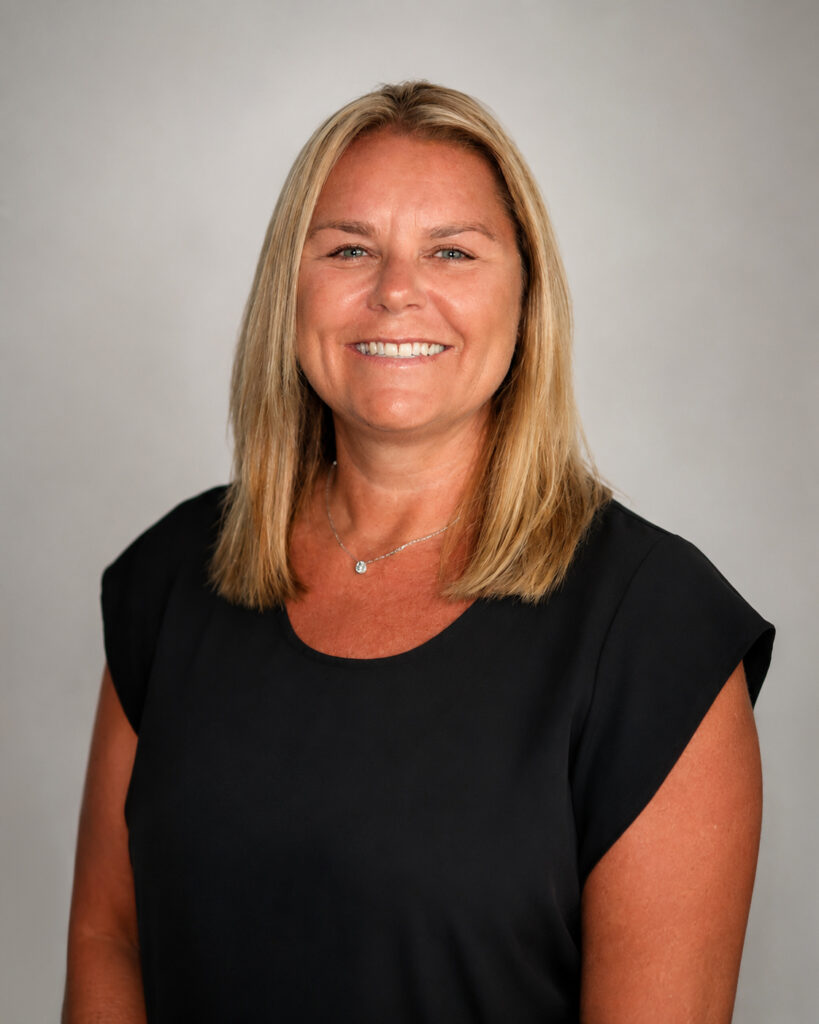
Written by
Selena Sagalow
QuickBooks Online ProAdvisor · ADP Certified · Xero Certified · 10+ years
Selena runs Coastal Bookkeeping, a U.S.-based virtual bookkeeping company serving small businesses and nonprofits. When you hire Coastal, you work directly with her.